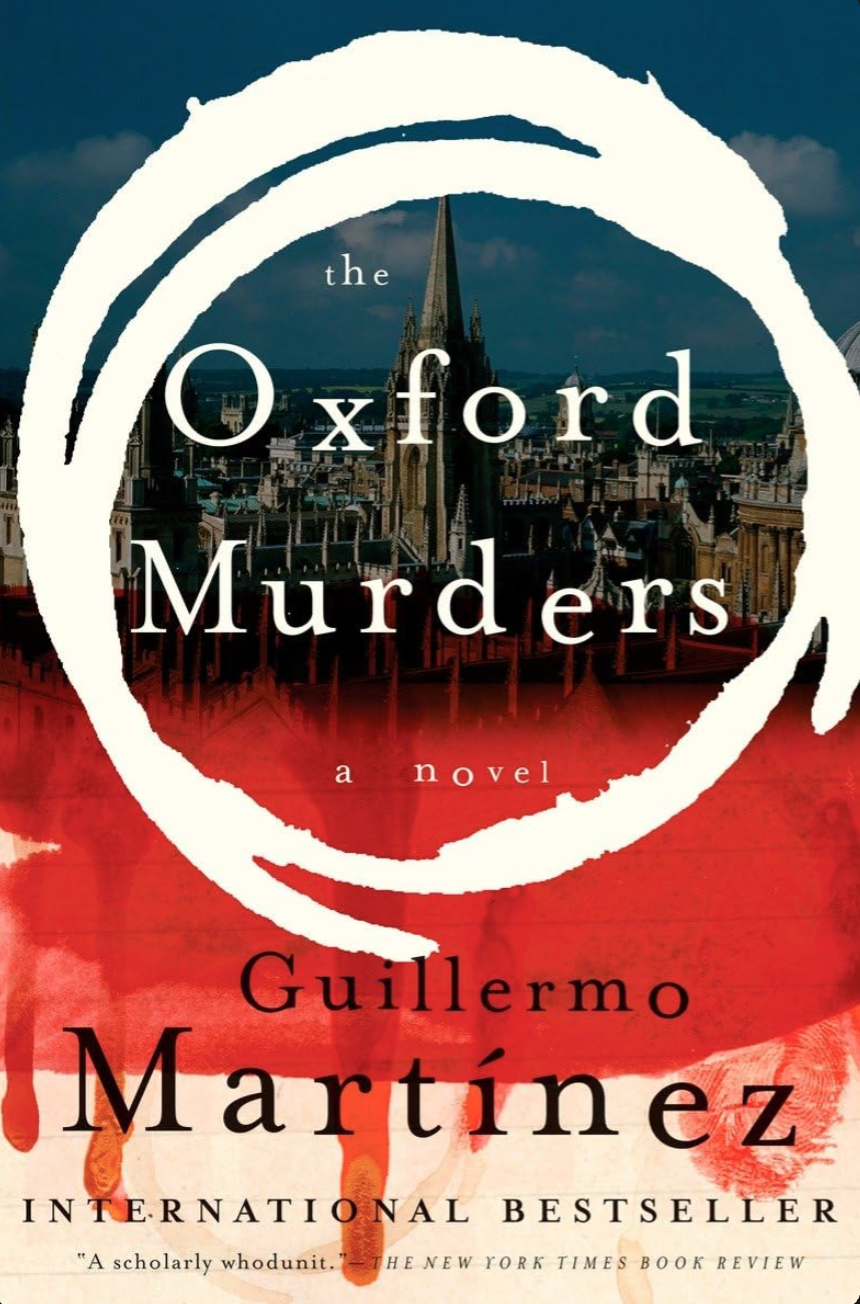
I would give this book 5 stars except he botched the ending. The writing style created great atmosphere and tone. I thought it was set in the 1800s until the main character checked his email! I don’t usually read murder mysteries because they can tend to be cliche or the characters underdeveloped. However, Martínez‘s main character was surprisingly likeable and believable.
I absolutely loved all the mathematical mysticism. I thought that was unique. It was like The Da Vinci Code meets Sherlock meets—gosh, I don’t know. Good Will Hunting? I enjoyed it. I even bookmarked some passages to revisit because they were so intriguing. The chapter on René Lavand, the magician, was fantastically written—inspiringly well written.
However, the double-reveal ending was rushed and dissatisfying. He revealed one murderer in a huge monologue, then revealed it was someone else in another huge monologue. And if I’m being honest, the crumbs were really weak. But I don’t think the reader is in this to solve the murder; I just wanted to know more juicy math lore!
One last criticism: why was Lorna so sexualized?! Why couldn’t she just be a nerdy friend? I felt like her character was poorly developed and a touch sexist. I’t’m pretty certain it fails the Bechdel Test. The two females, Beth and Lorna never spoke. And even Beth was written seductively—and she wasn’t even a love interest!! So yes, definitely male gaze. Definitely some “breasted boobily.”
Do you think if a work is no longer equitable by today’s standards that it shouldn’t be read?
I don’t condone sexism. But I can also see the sexism and still say: this was a solid book. It had some fantastic writing. For me, the chapter on René Lavand was honestly worth reading it. Did the sexism make me cringe in places: yes. If I recommend this book will I give the reader a warning: yes.
So fair warning; there’s some subtle sexism but also some really cool math.
Leave a Reply